
The history and traditional origins of African Black Soap
Hi,
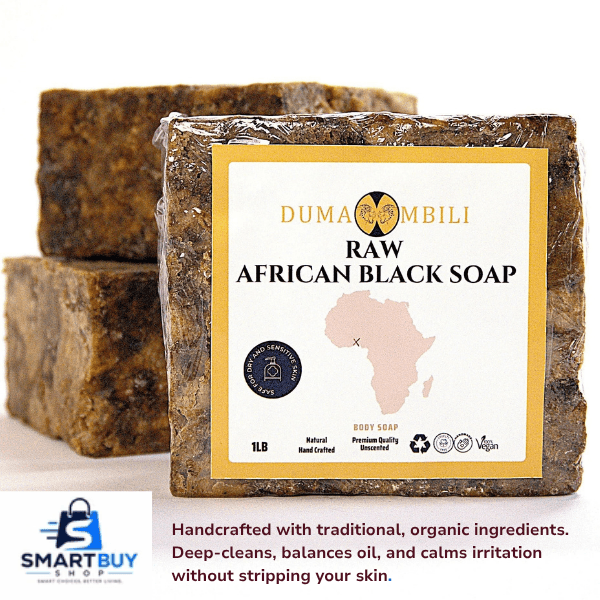
It may look different from the soaps you're used to seeing.
It's darker.
It's more rustic.
And it doesn't look like something that came straight from a modern factory.
That's part of the appeal.
Authentic African Black Soap has a long tradition behind it.
For generations, traditional black soap has been made in parts of West Africa using locally sourced plant-based ingredients.
Depending on the traditional recipe, ingredients can include things such as plantain skins, cocoa pods, shea butter, coconut oil, and palm oil.
The ingredients are processed using traditional methods to create the distinctive soap known today as African Black Soap.
And that's what makes it so interesting.
You're not simply buying another brightly packaged cleanser.
You're experiencing a traditional product that has been passed down through generations.
Why Is It Black?
The characteristic dark brown-to-black appearance comes from the traditional preparation of ingredients such as plantain skins and cocoa pods.
Those materials can be dried, roasted, and processed into ash, which is then incorporated into the soap-making process.
The result?
A cleanser with a completely different appearance and character from conventional soap.
No fancy appearance required.
Just traditional ingredients and a time-tested cleansing tradition.
Simple. Traditional. Different.
Sometimes the most interesting products aren't the newest ones.
They're the ones that have been around for generations.
African Black Soap is a great example.
And now you can bring this traditional cleansing experience into your own routine.
Try something different.
Try something traditional.
Try African Black Soap.
To your skincare routine,
Admin; Eddie Lutz
P.S. Every black soap isn't necessarily made the same way. Check the ingredient list and product information to make sure you're getting the formulation you're looking for.
This post was published